
Surface preparation & skimming
Surface preparation & skimming
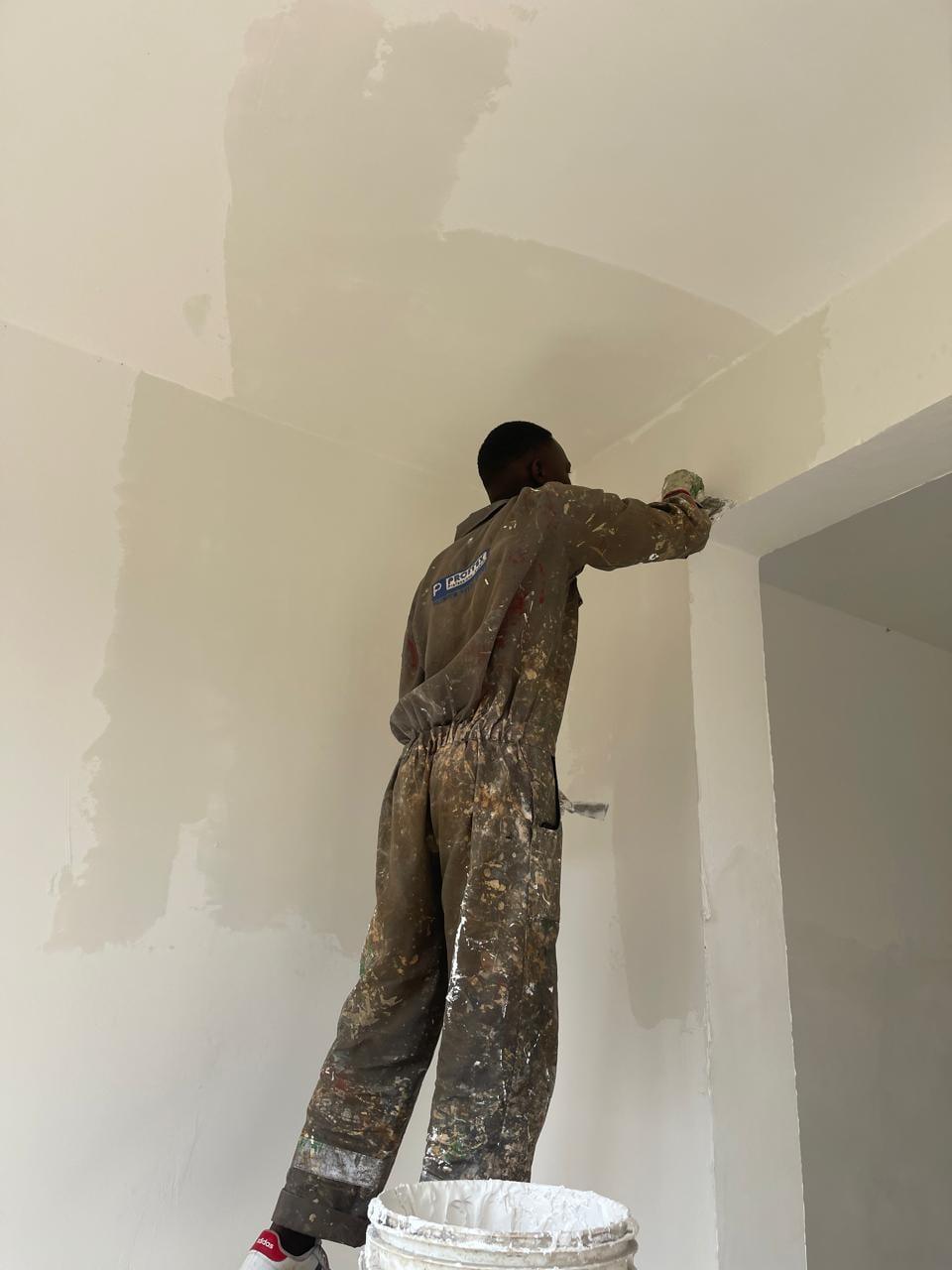
Surface preparation is everything done before the finishing coats. The wall is assessed, loose paint removed, cracks repaired and the surface skimmed smooth and even. It is then sanded and given the right primer or undercoat. Preparation decides how well paint bonds and how the finish looks, which is why poor preparation is one of the most common causes of peeling.
Who it is for
Who needs surface preparation & skimming
Homeowners with older walls
Walls with old repairs, cracks or layers of paint that need a sound base before repainting.
New builds
Fresh plaster that needs to cure and be prepared in the right sequence before painting.
Contractors and developers
Paint-ready walls delivered to a consistent standard across a project.
Problems we solve
When to call us
The situations that usually lead clients to this service.
Rough or uneven plaster
Every ridge and hollow shows through paint, especially under side light.
Cracks and patchy repairs
Unfilled cracks and visible patches spoil the finish and can let moisture in.
Loose and peeling old paint
New paint over a failing layer fails with it.
Damp walls
Moisture must be fixed first. Paint is not a cure for damp, and painting a damp wall traps the moisture behind the coating.
New plaster painted too early
Plaster needs adequate drying time. Painting too soon often shows up as peeling months later.
How we work
How we approach the work
The same principle as every project: understand, assess, recommend, prepare, apply and inspect.
Inspect the surfaces
Cracks, loose material, previous coatings and signs of moisture are recorded room by room.
Repair
Loose paint and material removed and cracks filled, so the wall is sound.
Skim
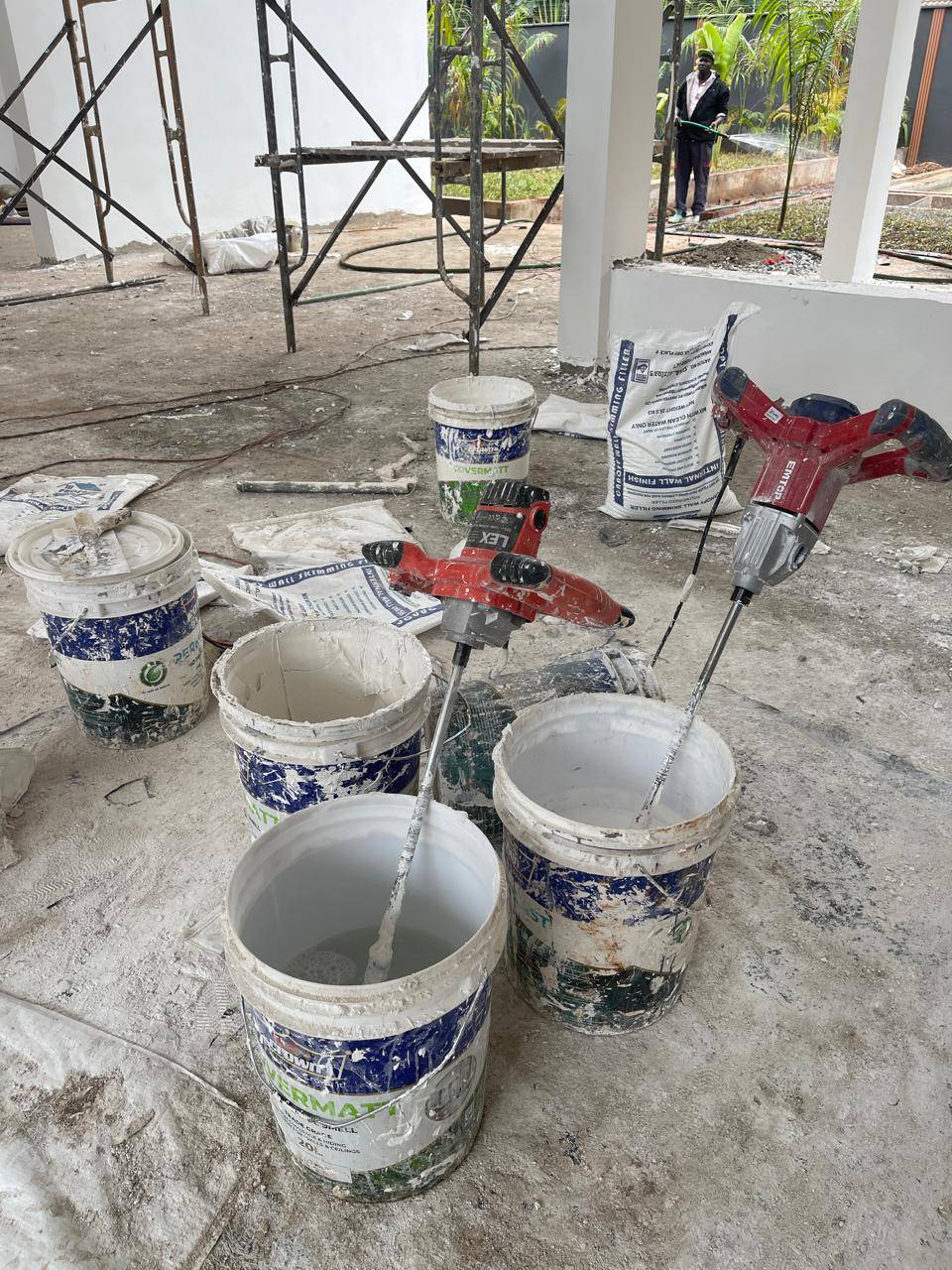
A skim coat across the surface for a smooth, uniform base.
Sand
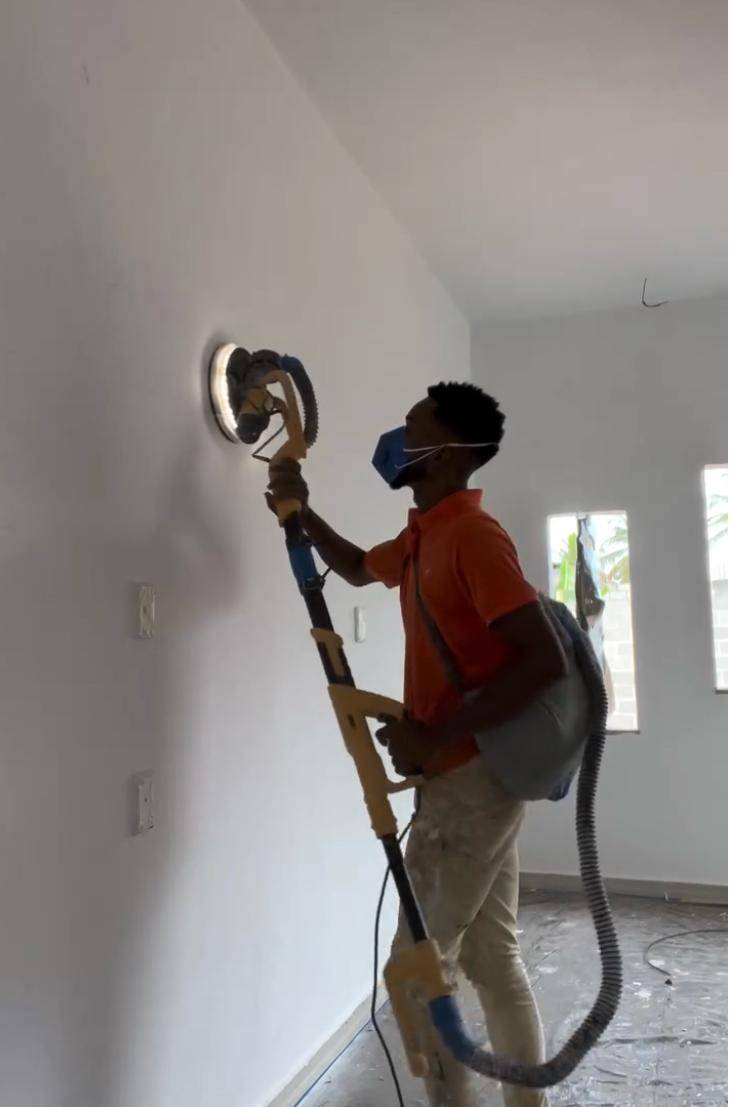
Machine sanding with dust extraction for an even, smooth surface.
Prime or undercoat
Once the skim has fully cured, the right undercoat or primer prepares the wall for finishing.
Check before painting
The surface is checked at each stage before the next one starts.
Systems, materials & methods
What the work involves
Wall skim coat
A smooth base over plaster and repaired walls, applied once loose material has been removed.
Fillers and repairs
Cracks and imperfections filled and levelled before skimming.
Undercoats and primers
Selected for the substrate; new plaster and previously painted walls need different treatment.
Waterproofing before repainting
Where walls are damp-affected, waterproofing treatment is applied to vulnerable sections before cosmetic work, once the source of moisture is dealt with.
Concrete floors
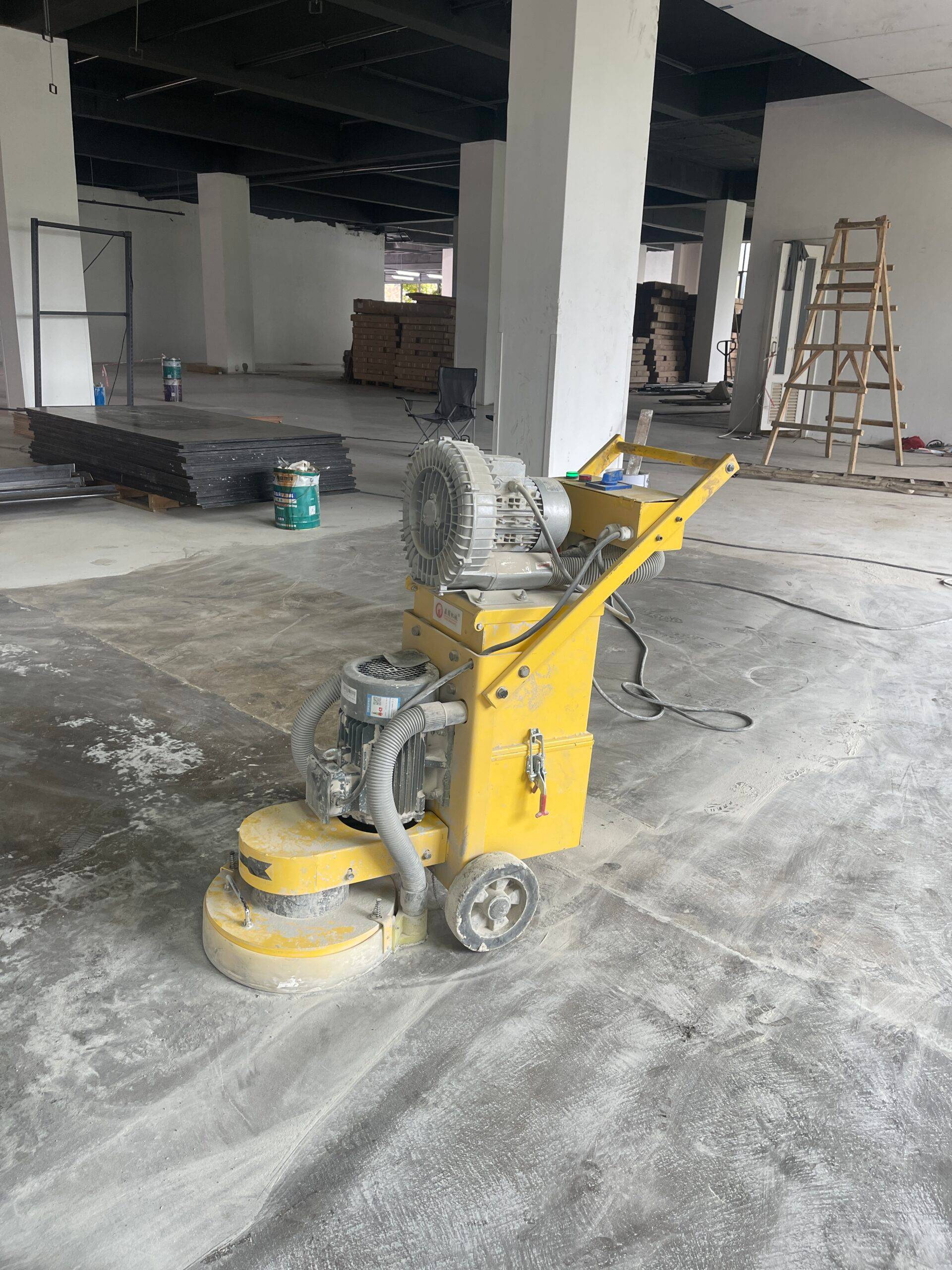
Floors are ground and levelled mechanically before coating. See floor coatings.
Not every substrate needs every step. The preparation is set by what the inspection finds.
Equipment we use
-
-
-
Related case studies
Completed projects
Real Paint Pros Africa projects where this kind of work was part of the scope.
-
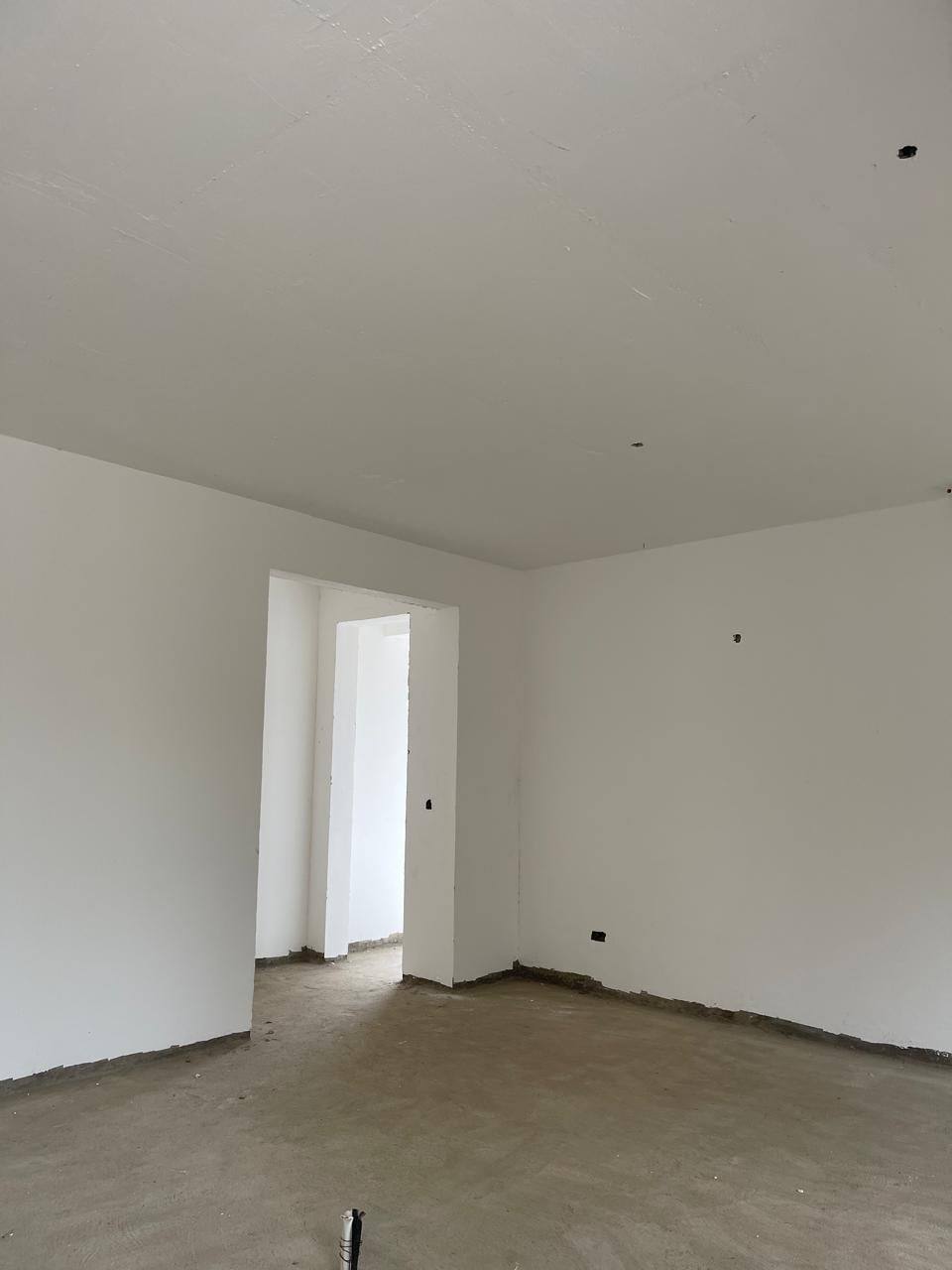 Runda, Nairobi
Interior Wall Preparation and Skimming in Runda, Nairobi
-
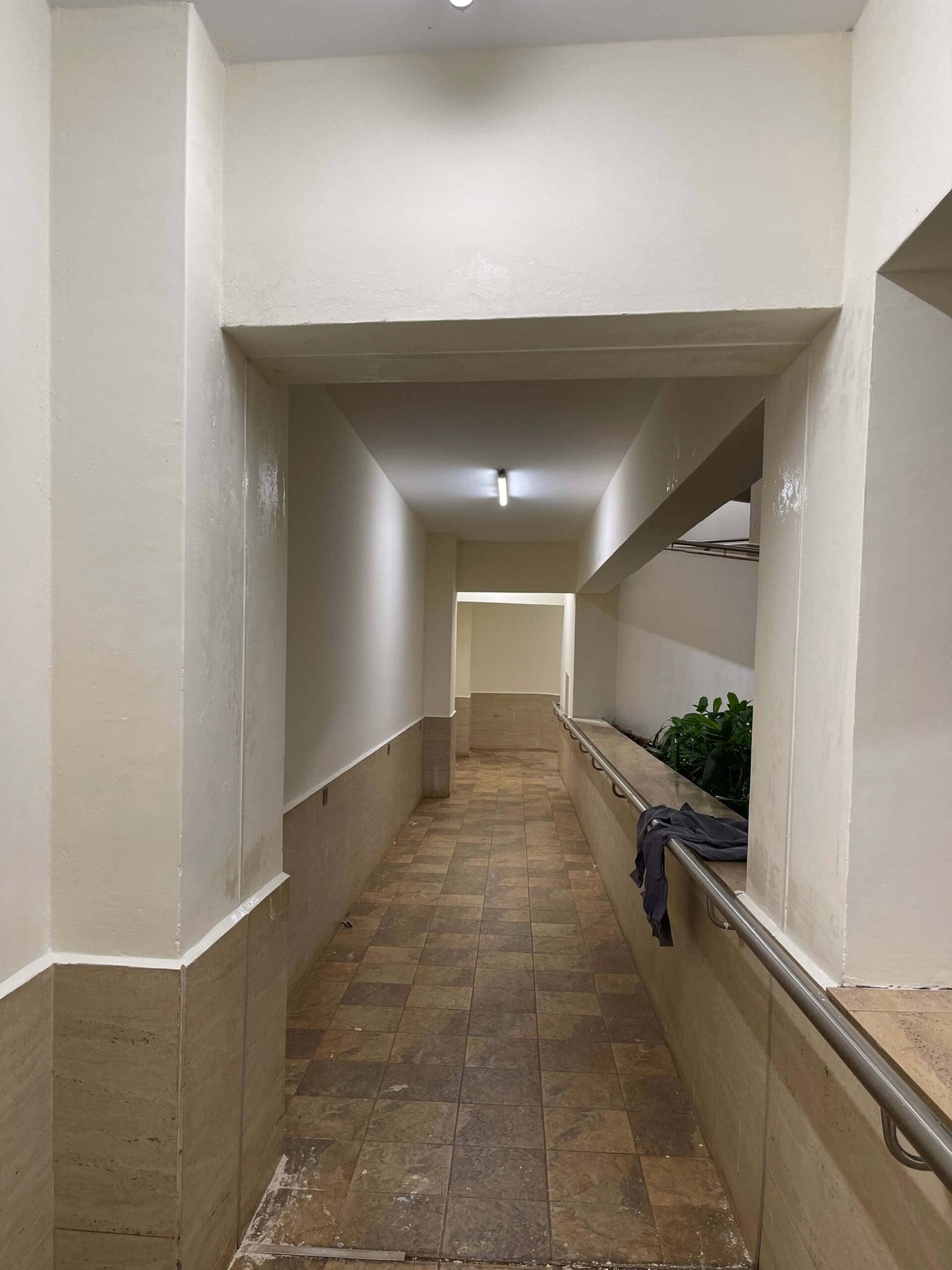 Rosslyn Riviera Mall, Nairobi
Interior Renovation of Rosslyn Riviera Mall
-
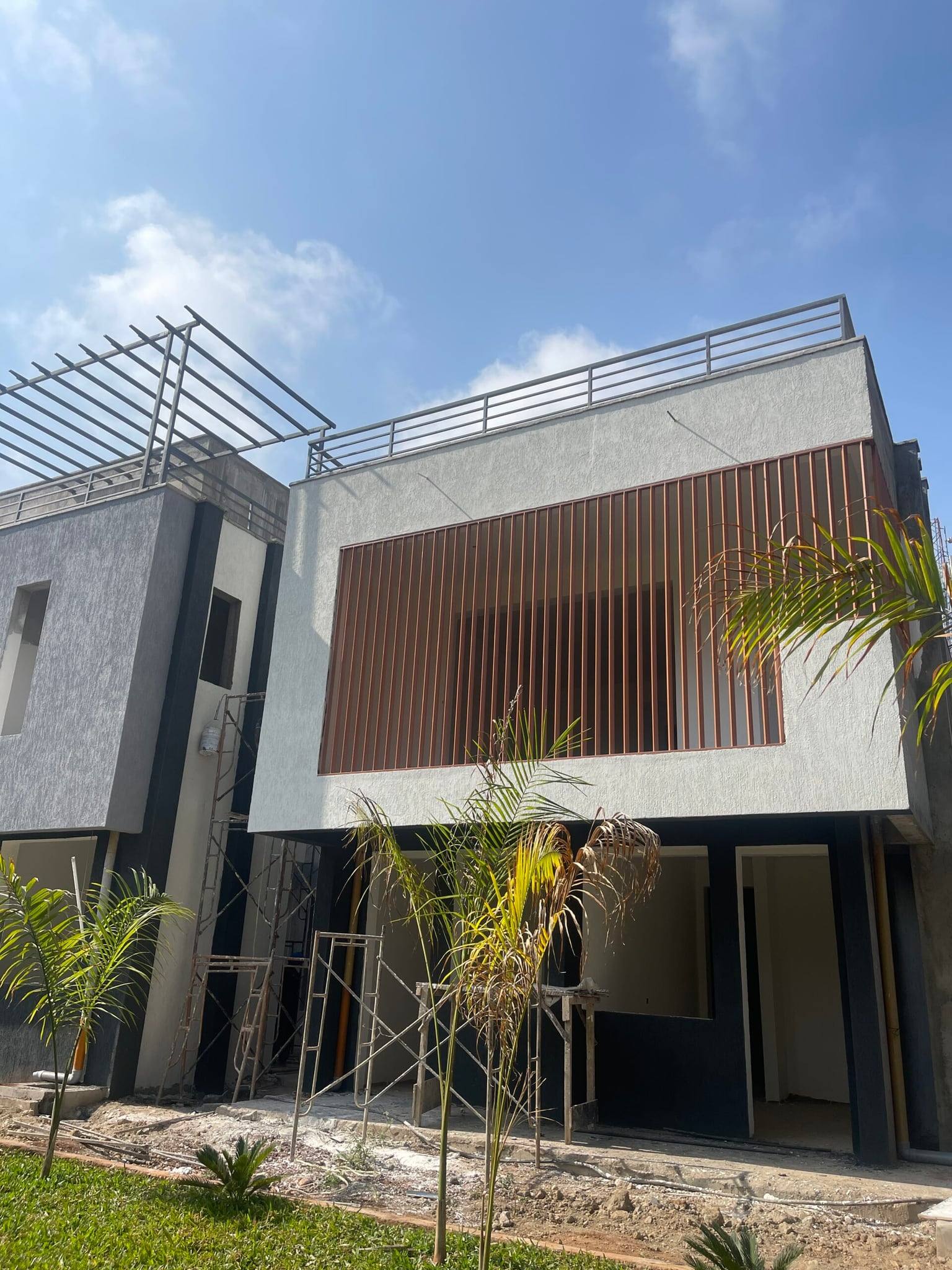 Karen, Nairobi
Exterior Painting of a Residential Home in Karen
-
Pricing
What determines the cost
Preparation is priced from the condition of the surfaces. The extent of repairs, whether skimming is needed on all walls or only some, the number of coats of skim and undercoat, and access all affect the cost. It is often the part of a quotation that makes the biggest difference to how long the paint lasts.
Where it is part of a contracted project, we can supply the specified materials. For the factors behind painting costs in Kenya, read our painting cost guide.
- Do all walls need skimming?
- No. Skimming is used where the surface is rough, uneven or patchy. Sound, smooth walls may only need cleaning, light repairs and the right undercoat. The inspection decides.
- What is the right sequence for newly plastered walls?
- Allow the plaster to cure properly, fill and prepare the surface, apply the appropriate undercoat or sealer, then the finishing coats.
- Can paint fix a damp wall?
- No. The source of the damp, such as a leak, rising damp or poor drainage, has to be corrected first. Paint over a damp wall usually blisters and peels.
- How do you control dust when sanding?
- We use wall sanders connected to dust extraction, which keeps sanding cleaner than hand sanding.
Expert advice
Related guides
- Paint problems
Why Paint Peels on Walls in Kenya and How to Prevent It
Moisture, damp walls, poor preparation and incompatible coatings: the usual causes, and how to avoid them.
- Choosing paint
How to Choose the Best Exterior Paint for Kenyan Weather Conditions
UV and water resistance, surface preparation and climate-smart colours for walls exposed to sun and rain.
- Surface preparation
Wall Skimming in Kenya: When It's Needed and How It's Done
What skimming is, which walls need it, the step-by-step process, and the mistakes that cause peeling later.
- Surface preparation
Painting New Plaster: Curing, Sealing and Preparation
How long to wait, how to check new plaster is ready, how to seal it, and the mistakes that cause peeling on new walls.
- Cost guide
How Much Does It Cost to Paint a House in Kenya? (2026 Price Guide)
How painting is priced in Kenya: the painting systems, preparation, labour and materials, what an estimate leaves out, and the cost calculator.
Request a quote
Request a site assessment
Tell us about the walls, how old they are, and any cracks, damp or peeling you have noticed. Photos help. We will advise what preparation is needed.
Start with your project type
- Residential project: ask on WhatsApp Houses and apartments, inside and out
- Commercial project: ask on WhatsApp Offices, retail and commercial buildings
- Industrial project: ask on WhatsApp Warehouses, factories and floor coatings
- Phone & WhatsApp +254 703 202 888
- Email info@paintprosafrica.com
- Office Bellway Industrial Park, Embakasi, behind Quickmart Embakasi, Nairobi